


In Malaysia, the diversity of cultures shapes unique funeral customs that families must navigate during challenging times. Understanding the legal requirements and available service options can markedly impact the planning process. Families often face choices between traditional and modern practices, each with its own significance. As they commence on this journey kl funeral service, they’ll find that supporting one another is just as essential as honoring the departed, raising important questions about how to best approach these sensitive matters.

Understanding Cultural Customs Surrounding Funerals in Malaysia
While Malaysia is home to a diverse array of cultures and religions, each community has its own unique customs surrounding funerals that reflect their beliefs and traditions.
This cultural diversity shapes various funeral rituals, from the solemnity of Islamic rites to the vibrant celebrations of Chinese traditions. For instance https://hongenlife.com/en/, Malay funerals often include prayers and the immediate burial of the deceased, signifying respect and urgency.
Conversely, Chinese customs might involve elaborate ceremonies, complete with offerings and ancestral worship, celebrating the person’s life. Each ritual serves to comfort the bereaved and honor the departed, creating a rich tapestry of practices.
Understanding these customs fosters a deeper appreciation for the freedom each community expresses in their approach to life, death, and remembrance.
Legal Requirements for Conducting Funeral Services
To guarantee a respectful and compliant farewell, families in Malaysia must navigate various legal requirements when conducting funeral services.
First, they’ll need to secure the necessary legal documentation, which often includes the death certificate issued by a medical professional. This document is essential for obtaining funeral permits from local authorities. Without these permits, families can’t proceed with burial or cremation, risking delays during an already challenging time.
Additionally, families should be aware of any specific regulations that vary by state or region. By ensuring they’ve the proper paperwork in order, families can focus on honoring their loved ones while embracing the freedom to choose how they wish to celebrate their lives.
Choosing the Right Type of Funeral: Traditional vs. Modern
When families face the intimidating task of planning a funeral, they often grapple with deciding between a traditional or modern service.
Traditional rituals can provide comfort, connecting loved ones to cultural heritage and offering a sense of familiarity. Families might appreciate the solemnity of these customs, allowing them to honor the deceased in a time-honored manner.
On the other hand, modern practices offer flexibility and personalization, allowing families to tailor the service to reflect the unique personality of their loved one. This can include creative elements, themes, or even locations that resonate with the deceased’s life.
Ultimately, the choice between traditional and modern depends on what best resonates with the family’s values and the legacy they wish to celebrate.
Planning the Funeral: Key Considerations and Steps
Planning a funeral can feel overwhelming, especially as families navigate their grief while making important decisions. To ease this process, they should first establish a funeral budget, ensuring all expenses are manageable. This involves discussing costs with funeral service providers and exploring options like burial or cremation.
Next, families need to reflect on service logistics, such as the venue, timing, and any religious or personal customs they wish to incorporate. It’s essential to communicate preferences clearly to the funeral director, who can assist in coordinating details.
Additionally, families might want to involve close friends or relatives, as shared input can lighten the emotional load. Ultimately, thoughtful planning creates a meaningful tribute to honor their loved one’s life.
Supporting Grieving Family Members and Friends
Although grief can be an isolating experience, supporting grieving family members and friends is crucial for their healing process.
Providing grief support isn’t just about saying the right things; it’s about being present and listening. Friends and family can help by simply offering a shoulder to lean on or sharing memories that celebrate the lost loved one.
They should encourage open conversations, allowing the grieving person to express their feelings without judgment. Practical help, like preparing meals or handling daily tasks, can also ease their burden.
Ultimately, fostering an environment where emotions can flow freely aids in emotional healing, reminding the bereaved they’re not alone on this journey.
Compassion and understanding are essential during such challenging times.
Commemorative Practices and Memorial Services
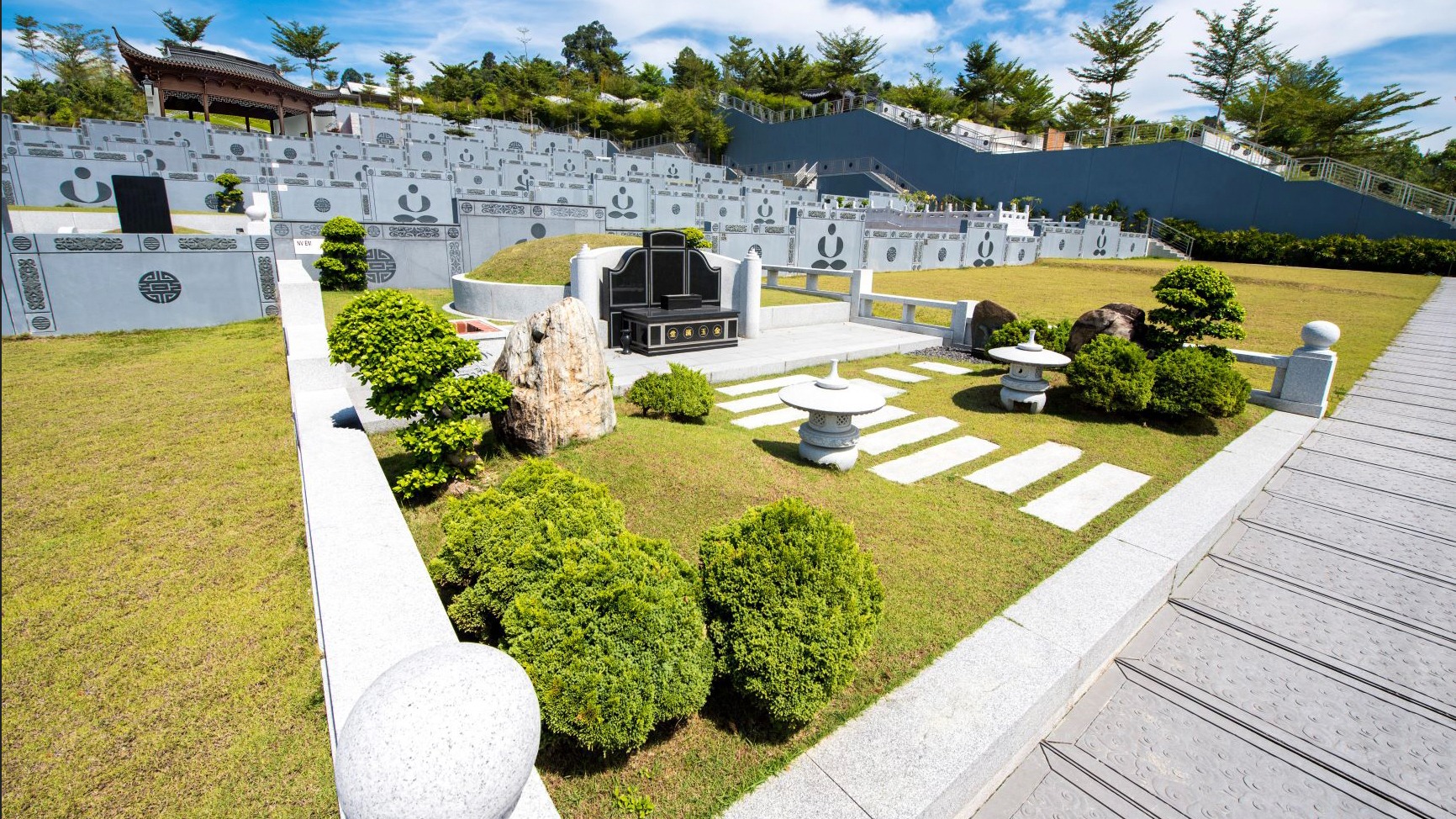
Commemorative practices and memorial services play an essential role in honoring the lives of loved ones who’ve passed away. Families often gather to participate in memorial rituals that reflect their unique bond with the deceased.
These rituals can include sharing stories, lighting candles, or displaying photographs, creating a space for love and remembrance. Tribute ceremonies, whether grand or intimate, allow friends and family to express their grief and celebrate the life lived.
They often incorporate personal touches, such as favorite songs or meaningful symbols, to guarantee the deceased’s spirit is felt throughout the gathering. In Malaysia, these practices foster connection, offering a sense of closure while embracing the freedom to remember and cherish the legacies left behind.
Conclusion
In summary, steering through funeral services in Malaysia requires a blend of cultural understanding, legal awareness, and thoughtful planning. By considering the family’s traditions and preferences, they can choose between traditional and modern practices that honor the deceased. Supporting grieving loved ones during this difficult time is equally important, as it fosters healing and connection. With the right approach, families can create a meaningful farewell that provides comfort and remembrance for all involved.